Loading...
Serving Post Falls, ID and surrounding areas. (208) 981-9130
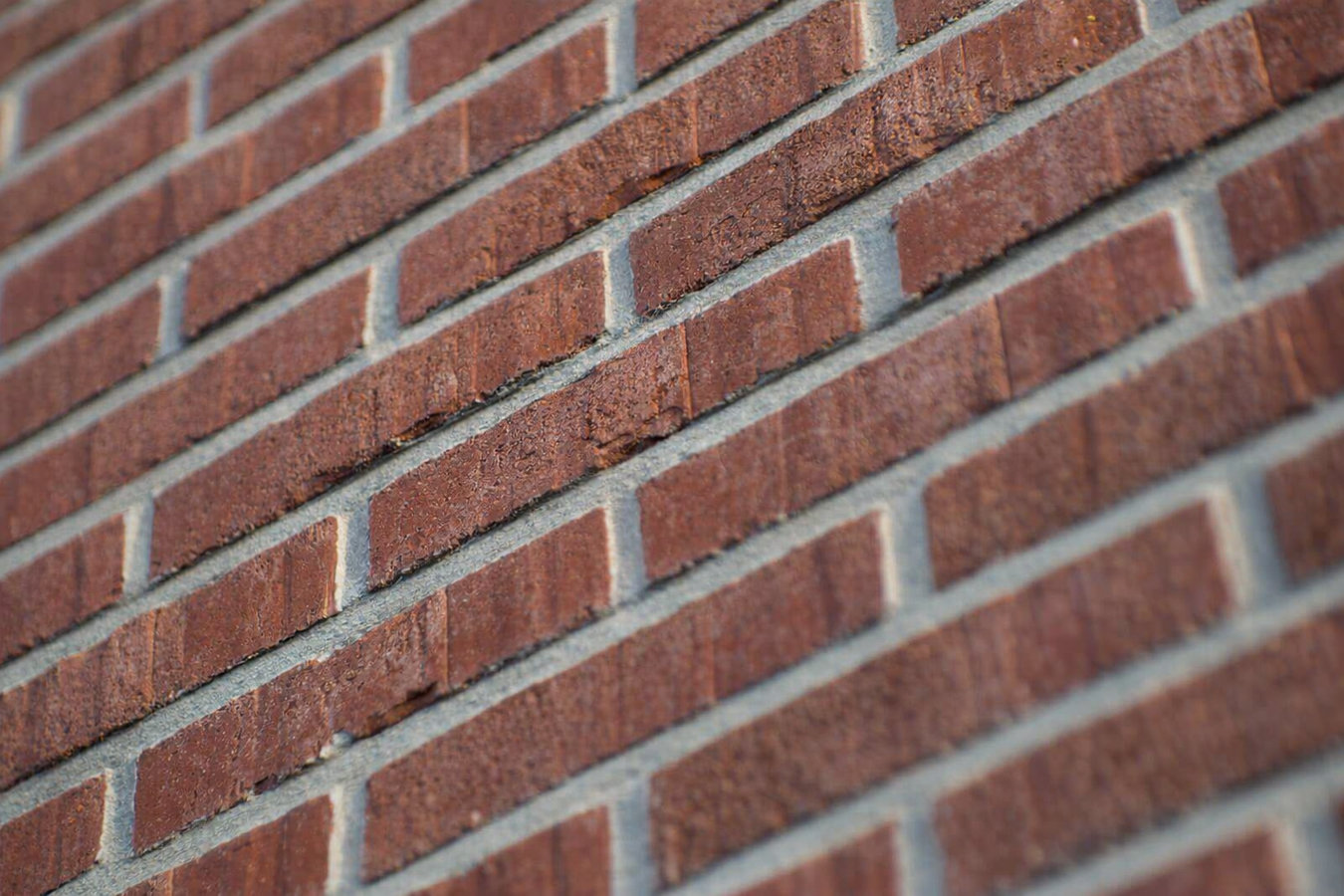
Crumbling mortar, gaps between bricks, or chimney joints that look rough after winter? We repoint brick walls and chimneys in Post Falls with mortar matched to your home so repairs hold up and blend in.
Brick pointing in Post Falls means removing crumbling or cracked mortar from between your bricks and replacing it with fresh mortar that matches your existing joints - most residential jobs take one to three days, the bricks themselves stay in place, and the result is a wall that sheds water the way it is supposed to rather than absorbing it every storm.
Mortar is softer than brick by design - it is meant to absorb movement and moisture so the bricks themselves do not crack. In Post Falls winters, water trapped in weakened mortar joints freezes, expands, and chips the joint apart from the inside. Over several seasons, small gaps become real problems. Catching failing mortar early - before water reaches your interior walls - is almost always cheaper than addressing the damage after it has worked its way through. If your home also has larger masonry areas that need attention, our masonry restoration service covers broader structural and surface repairs in the same visit.
One thing many homeowners do not realize is that the mortar mix matters as much as the work itself. Homes built in the older neighborhoods near downtown Post Falls sometimes have softer, mid-century brick that requires a softer mortar. Using a modern high-strength mix on old soft brick causes cracking because the two materials do not move together as the wall expands and contracts. Getting this right is part of what separates a repointing job that lasts 25 years from one that needs attention again in five.
Stand back and look at your brick walls in good daylight. If you can see dark gaps, crumbling edges, or mortar that is pulling away from the brick faces, it is no longer sealing the wall the way it should. Scraping mortar out with a fingernail is a quick test - soft mortar that comes away easily has lost its structural function.
Post Falls gets wet springs, and if you notice damp spots on interior walls, white chalky streaks on the outside of your brick (efflorescence), or musty smells near brick walls after a rainstorm, water is likely getting in through failing mortar joints. This is one of the most urgent signs - water damage inside a wall gets expensive quickly and is far harder to fix than the pointing itself.
Chimneys take the worst of Post Falls winters because they are fully exposed on all sides to freezing temperatures and wind. After a hard winter, look up at your chimney from the ground. If the mortar between bricks looks chipped, uneven, or missing in spots, it needs attention before the next freeze-thaw season starts the damage over again.
Because of the prevailing westerly winds in the Post Falls and Spokane corridor, the west-facing and northwest-facing walls of your home take far more weather punishment than the other sides. If that wall looks noticeably more worn - darker, more pitted, or with more visible gaps - that is not a coincidence. It means that face has been absorbing more moisture and needs to be addressed first.
We repoint brick walls, chimneys, and garden or border walls throughout the Post Falls area. Every job starts with an assessment of which joints are actually failing - we do not push full-wall repointing when spot repairs will do the job. For chimneys and upper-story walls, we bring the equipment needed to work at height safely, and chimney repointing includes checking the cap and crown for additional damage while the crew is already up there. If you are also considering a foundation repair assessment at the same time, that can be done during the same visit - moisture getting through failing mortar joints often shows up in the foundation long before homeowners connect the two issues.
For homes where brick damage goes beyond the mortar - where bricks themselves are spalling, cracked, or missing - our masonry restoration service covers structural and surface repairs alongside repointing so everything is addressed in one project rather than scheduling separate visits.
Best for homeowners with visible mortar wear on exterior brick walls, particularly on west or northwest-facing surfaces that bear the most wind-driven rain.
The right choice when chimney mortar looks chipped or pitted after winter - chimneys are fully exposed and tend to deteriorate faster than ground-level walls.
Suited for homes where only specific sections or areas show active mortar failure, rather than requiring full-wall repointing from top to bottom.
For homeowners who want repointing repairs to blend with the existing mortar profile and color so repairs are not visible from the street.
Post Falls sits in the Rathdrum Prairie area of northern Idaho, where winter temperatures regularly drop below freezing and spring brings wet, fluctuating conditions. That combination is particularly hard on mortar joints. Every time water trapped in a small gap freezes and thaws, it expands slightly and chips the joint apart from the inside. Homeowners here tend to see mortar deteriorate faster than people in milder climates, which is why checking your brick joints every few years - not every decade - is the smarter habit in this area. The prevailing westerly winds that move through the Spokane-Post Falls corridor also push rain directly into west and northwest-facing walls, meaning those sides of your home wear faster than the others and deserve extra attention when you get an estimate.
We work on brick pointing projects across the Post Falls area, including Coeur d'Alene, ID and Rathdrum, ID, where the same freeze-thaw patterns and westerly wind exposure affect brick homes in the same ways. Spring is the busiest time for masonry repair in this area because homeowners are seeing winter damage and want it fixed before the next wet season. Calling in late winter - before the rush - means you have more contractor options and a better chance of getting on the schedule before late summer.
We reply within one business day. Describe which walls or areas concern you and whether you have noticed water getting inside. Photos of the affected areas help us ask better questions before the on-site visit. Spring is the busiest season - calling in late winter gives you more options.
We walk around your home and look closely at the mortar joints - checking how deep the damage goes, whether any bricks are cracked or loose, and which areas need the most attention. We also look at your existing mortar color and texture so we can match it. You receive a written estimate that explains what work is needed and why.
The crew removes old damaged mortar using grinders or chisels - careful, slow work that is also the noisiest part of the job. Once the joints are cleaned to the correct depth, fresh mortar is packed in by hand and tooled to match your existing joint profile. Most residential jobs take one to three days.
When the work is done, the crew cleans up mortar dust and debris. A good contractor walks you around the finished work so you can see what was repaired. Fresh mortar needs 24 to 48 hours before it gets wet - avoid running sprinklers near the work area for a couple of days while it cures.
Free on-site estimates. Written quotes before any work begins. Spring books fast - reach out now to get on the schedule.
(208) 981-9130Nobody wants a repair that looks like a patch job. We take the time to match the color and texture of your existing mortar before starting, so the finished work blends in rather than standing out from the street. This is detail work that takes extra time but makes the difference between a repair you forget about and one that bothers you every time you look at the house.
Post Falls and the surrounding Spokane corridor have prevailing westerly winds that push rain directly into west and northwest-facing walls. We pay particular attention to those exposed faces during every assessment because they typically show more wear, often need more work, and will need attention again sooner than the sheltered sides of your home.
Older homes, particularly those built in the mid-century neighborhoods near downtown Post Falls, often have softer brick that needs a softer mortar to match. Using a modern high-strength mix on old soft brick causes cracking because the mortar does not flex with the wall. Since 2020, we have selected mortar mixes based on the bricks we are working with - not whatever is easiest to order.
Idaho requires contractors to be registered with the state, which you can confirm in about two minutes through the Idaho Division of Building Safety. We carry liability and workers' compensation coverage on every project. The Brick Industry Association's technical guidelines at gobrick.com are the benchmark we hold our work to - ask any contractor you are comparing us against what standards they use.
Brick pointing is maintenance work that most homeowners only think about once they already have a problem. Catching deteriorating mortar joints early - before water reaches interior walls or foundation areas - is consistently the less expensive path. The Brick Industry Association recommends inspecting mortar joints every few years in climates with significant freeze-thaw activity - which describes Post Falls precisely. We stand behind our work and are reachable if you notice anything in the weeks after a job is finished.
Water entering through failing mortar joints often reaches the foundation - addressing both issues at the same time prevents the cycle from continuing.
Learn MoreWhen brick damage goes beyond the mortar joints to cracked or spalling bricks, restoration covers structural and surface repairs alongside repointing.
Learn MoreSpring books fast in northern Idaho - lock in your spot now before the busy season fills contractor schedules through summer.