Loading...
Serving Post Falls, ID and surrounding areas. (208) 981-9130
Failing mortar lets Post Falls freeze-thaw cycles drive water into your walls every winter. We remove the damaged joints and pack in fresh, matched mortar so your brick holds up for another 20 to 30 years.
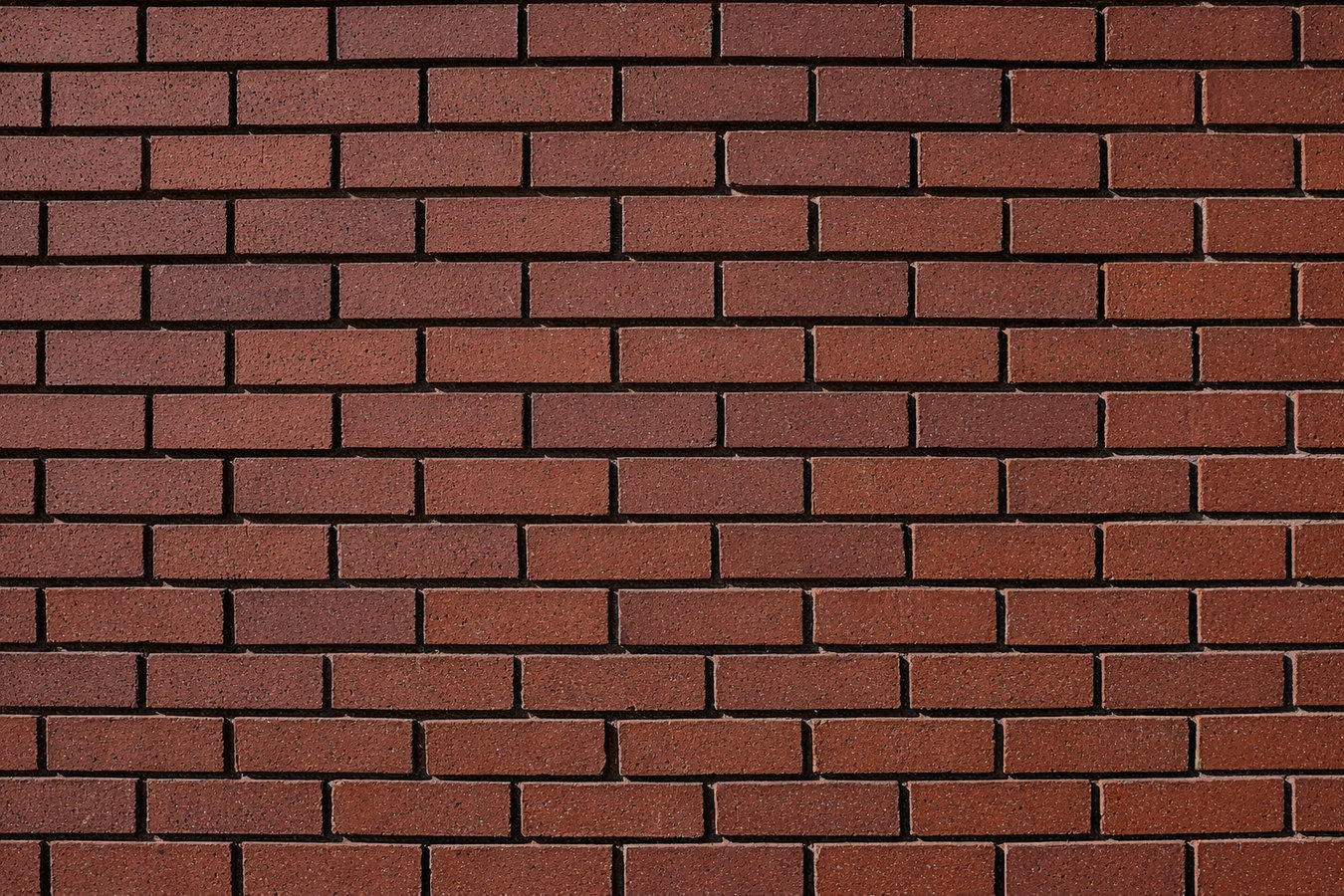
Tuckpointing in Post Falls removes old, crumbling mortar from the joints between bricks or stones and replaces it with fresh material, sealing the wall against water - most jobs on a chimney or single wall section take one to two days and cost between $500 and $2,500. Mortar is designed to wear out before the bricks do. When it goes, water gets in, and Post Falls freeze-thaw winters turn a modest repair into a much larger one in just a season or two.
If you have noticed white streaks running down your brick after rain, gaps between joints, or mortar that crumbles when you press it, those are the early signals that water is already working its way in. Catching it now is almost always the cheaper path. Many homeowners who call us about tuckpointing also have questions about brick repair once we walk the wall together - sometimes the bricks themselves need attention too, but not always.
The Brick Industry Association recommends inspecting mortar joints every few years in freeze-thaw climates - northern Idaho is exactly that kind of climate.
Most of these signs are visible from the ground. If you spot any of them, it is worth a closer look before the next winter arrives.
Press your thumb firmly against a mortar joint on any brick wall or chimney on your property. Healthy mortar feels as hard as concrete. If it crumbles, flakes, or leaves powder on your finger, the joint has broken down and is no longer keeping water out. This is the clearest, simplest test you can do yourself.
White or grayish streaks after rain or snowmelt are a sign called efflorescence - water is moving through the wall and carrying dissolved minerals to the surface. In Post Falls, this typically appears most in spring after freeze-thaw season. The staining is harmless, but the open joints causing it are not.
Stand back about ten feet from your brick wall or chimney. If you can see gaps, dark recessed lines, or sections where mortar looks sunken compared to the rest, those areas have lost significant material. Post Falls winters are hard on aging mortar - gaps that look minor in October can be noticeably worse by April.
When mortar fails and water gets into a wall, it eventually reaches the bricks themselves. In freezing temperatures that trapped water expands and pops small pieces off the brick face - a process called spalling. If you see chips or pitted surfaces on your brick, the mortar has likely been failing for at least one or two winters already.
Our tuckpointing work starts with a proper mortar assessment. Before we mix anything, we look at the age and type of your brick and test the existing mortar hardness. Using the wrong mix is the most common tuckpointing mistake - mortar that is too hard forces stress into the brick faces instead of the joints, which leads to spalling. We also handle brick pointing as part of the same visit when joints need a lighter touch rather than a full repoint.
We work on chimneys, exterior walls, retaining walls, garden walls, and any other masonry surface with mortar joints that have seen better days. Every finished joint is tooled to match the profile of the surrounding wall so the result looks consistent, not patched.
Chimneys take the most weather exposure of any masonry on a home. We restore every joint from the base to the crown and assess the cap while we are there.
Full or partial exterior wall work for homes where mortar has reached the end of its natural lifespan, typically 25 to 30 years under normal conditions.
Low garden walls and retaining walls are close to the ground and absorb moisture from both sides. We match the original mortar profile so the finished work blends in.
When only one section of a wall has failed, spot tuckpointing addresses the problem area without disturbing the rest of the wall.
Post Falls sits on the Rathdrum Prairie at roughly 2,180 feet elevation. From November through March, overnight temperatures regularly drop below freezing and then climb above it during the day - sometimes multiple times in a single week. Every one of those freeze-thaw cycles pushes water a little deeper into any open mortar joint. Homes along the Spokane River corridor also deal with higher ambient moisture levels, which accelerates mortar deterioration and often shows up as efflorescence on brick surfaces. If your home is in one of those lower-lying neighborhoods and you have noticed white staining on your brick, it is almost always tied to failing joints.
Older homes near downtown Post Falls - many built between the 1940s and 1980s - are almost certainly overdue for at least a partial tuckpointing. Original mortar from that era has a natural lifespan of 25 to 50 years under normal conditions, and Idaho winters are not normal conditions. We regularly work in Hayden and Coeur d'Alene where the same conditions apply, so we know exactly what local masonry deals with season after season.
Reach out by phone or the contact form and we will get back to you within one business day. We will ask where the masonry is and roughly how large the area looks to you.
We come out, walk every surface with you, and explain in plain terms what we see. You get a written estimate before we start - no surprises at the end.
Using angle grinders and chisels, the crew removes deteriorated mortar to a consistent depth. This is the noisiest part of the job. Most of the dust and debris is caught with drop cloths.
New mortar is mixed to match your existing joints in strength, color, and texture. The crew packs it in by hand and tools it smooth. When we are done, we walk the finished work with you before we leave.
We respond within one business day. Written estimate, no obligation.
(208) 981-9130We assess your existing mortar before mixing anything new. Using mortar that is too hard for older brick forces cracks into the brick faces - which are far more expensive to fix than mortar. Getting the mix right is the most important part of the job.
We have worked on homes throughout Post Falls - from the older craftsman homes near the Spokane River corridor to the newer subdivisions on the east side of town. We know how Post Falls winters behave and how they affect local masonry.
You get a clear written quote describing the exact scope of work. The price does not change unless you ask us to do something different. No upsells at the end, no vague line items.
We are registered with the Idaho Division of Building Safety and carry the insurance required to protect your property. We pull any permits required by the Post Falls Building Department - you never have to navigate that process yourself.
The National Park Service Technical Preservation Services outlines the same mortar-matching principle we follow: the new mix must never be harder than the original masonry. That standard applies as much to a 1960s Post Falls home as it does to a historic landmark. When you call us, you get a contractor who knows the difference and works accordingly.
When the brick faces themselves are cracked, spalling, or shifted - not just the mortar - brick repair addresses the structural damage directly.
Learn MoreA lighter mortar joint treatment suited to walls where the existing mortar is still partially sound and only select joints need attention.
Learn MorePost Falls crews book up fast in spring - reach out now and lock in your spot before the busy season starts.