Loading...
Serving Post Falls, ID and surrounding areas. (208) 981-9130
Crumbling mortar and flaking brick get worse every winter in Post Falls. We assess, repair, and stabilize your masonry so it stops deteriorating and holds up for decades.
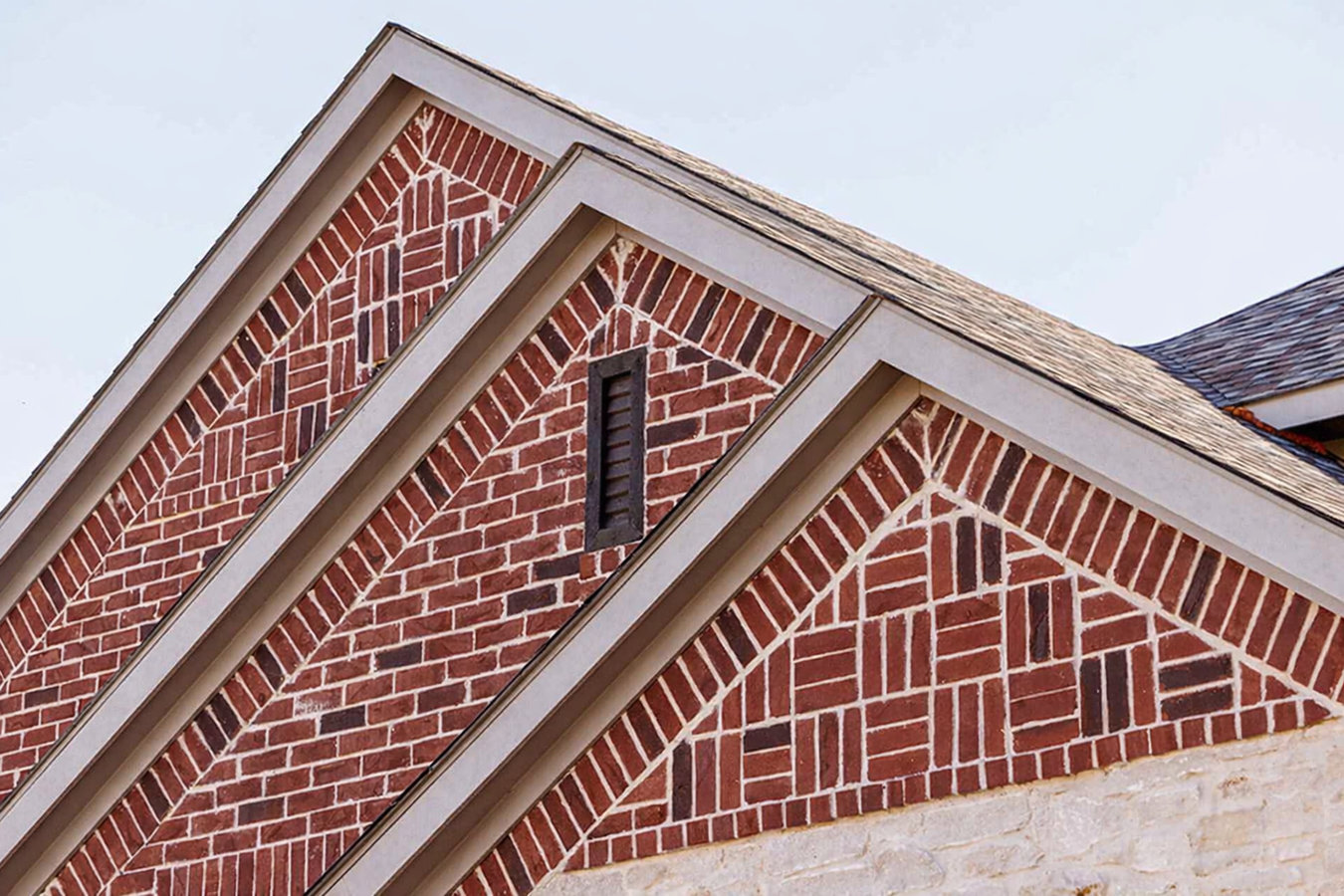
Masonry restoration in Post Falls covers repairing, cleaning, and stabilizing brick, stone, or concrete block structures that have started to deteriorate - most jobs on a chimney or small wall section take one to two days, while larger foundation or retaining wall projects may run a week or more depending on scope. The mortar between bricks and stones is designed to wear out before the masonry units do, which is exactly what makes it the first place to check and the best place to intervene early.
If you are seeing white stains after rain, gaps between bricks, or mortar that crumbles when you touch it, water is already working its way in. Post Falls freeze-thaw winters turn small joint failures into significant structural damage within just a few seasons. Many homeowners who call us about restoration also ask about fireplace installation when we are already on site - it is a natural pairing when chimney masonry needs attention.
The National Park Service Preservation Briefs provide the most authoritative guidance on repointing technique - including why matching mortar strength to your existing brick is the most important variable in any restoration job.
Most of these signs are visible from the ground or with a quick touch test. If you spot any of them, a closer look before next winter is worth it.
Run your finger along the joints between bricks or stones on your chimney, foundation, or retaining wall. If the mortar crumbles, feels sandy, or shows gaps you can see daylight through, water has been getting in. This is the most common sign that masonry restoration is overdue, and catching it early keeps the repair cost down significantly.
That powdery white residue on brick or block is called efflorescence - mineral salt left behind when water moves through the masonry and dries on the surface. In Post Falls, spring snowmelt and wet winters push moisture through foundations and retaining walls, making this a common early warning. It means water is moving through your masonry in ways it should not be.
When the face of a brick starts peeling off in thin layers, freeze-thaw damage is at work. Post Falls winters are cold enough and wet enough that this kind of surface spalling is common on older homes and chimneys. Left alone, the damaged surface absorbs even more water and the flaking gets worse each season.
Retaining walls carry constant pressure from the soil behind them. When mortar weakens or drainage fails, they begin to move. Even a slight lean - something you might notice just by stepping back and looking - signals that the wall needs professional attention before it fails entirely. In Post Falls, sloped lots and clay-heavy soils make this a repair that comes up regularly.
Our restoration work starts before any tools come out. We walk every surface with you and test the existing mortar hardness, because using the wrong mortar type is the most common mistake in masonry repair. Too-hard mortar transfers stress into the brick faces rather than the joints, leading to spalling that costs far more to fix. We also handle stone masonry work when restoration includes natural stone walls or features that need rebuilding alongside the repair.
We work on chimneys, exterior walls, foundations, retaining walls, and any other masonry surface with joints or units that have started to fail. Every finished joint is tooled to match the profile of the surrounding wall - the result looks consistent, not like a visible patch. For structural projects, we handle permits through the Post Falls Building Department so you do not have to navigate that process yourself.
Best for chimneys, exterior walls, and retaining walls where joints have deteriorated but the masonry units themselves are still sound.
Addresses spalling, chipping, and surface damage on individual units before water intrusion compromises the full wall.
Suited for walls that have started to shift or bow, combining drainage correction with structural mortar repair.
Covers the full chimney - joints, cap, crown, and flashing - because the crown is one of the most common entry points for water damage.
Post Falls sits on the Rathdrum Prairie at roughly 2,100 feet elevation, and the area regularly sees temperatures that dip below freezing from November through March. Every one of those freeze-thaw cycles pushes water a little deeper into any open mortar joint. Parts of the city along the Spokane River corridor sit on lower ground with higher ambient moisture and clay-heavy soils - these conditions accelerate deterioration on retaining walls and foundation masonry faster than drier lots on the east side of town. Homes in those lower-lying neighborhoods often show efflorescence every spring as a result. We work regularly in Coeur d'Alene where similar conditions exist along the lake shore.
Post Falls grew rapidly through the 1990s and 2000s, but the city also has older neighborhoods with brick homes and block foundations from the 1950s through 1970s that are now reaching the age when masonry maintenance becomes unavoidable. If your home was built before 1980, the original mortar has almost certainly reached the end of its useful life. Our crews also serve Rathdrum and the broader Kootenai County area, where freeze-thaw conditions are similar and restoration demand stays steady through the spring and summer seasons.
Reach out by phone or the contact form. We reply within one business day. We will ask a few basic questions - where the damage is, what the structure is, and roughly how old the home is.
We walk the property with you, point out exactly what we see, and explain in plain terms what needs to be done. You get a written estimate before any work begins - no guessing at the final bill.
Using grinders and chisels, the crew carefully cuts out failing mortar to a consistent depth. For structural work, we handle any required permits from the Post Falls Building Department so you do not have to.
New mortar is mixed to match your existing masonry in strength, color, and texture. After the crew finishes, fresh mortar needs 24 to 72 hours to cure - your contractor will tell you exactly what to avoid during that window.
Written estimate before any work starts. No surprise charges. We handle permits if your project requires them.
(208) 981-9130We test your existing mortar before mixing anything new. Mortar that is too hard for older brick causes the brick faces to crack - a far more expensive problem than the original repair. Getting the mix right is what separates a 25-year repair from one that fails in two winters.
We have worked on homes across Post Falls, from the older craftsman properties near the Spokane River corridor to newer subdivisions on the east side of town. We understand how local freeze-thaw cycles affect masonry and plan accordingly.
If your project requires a permit through the Post Falls Building Department, we submit the application and schedule the inspection. You never have to navigate the permit process yourself - and the inspection gives you documented proof the work was done correctly.
Membership in the Mason Contractors Association of America means we stay current on best practices, not just the minimum required for licensing. You can verify our Idaho contractor registration through the Idaho Division of Building Safety at any time.
Every one of those details adds up to a straightforward experience - you know what the work costs, why we are doing it a specific way, and what to expect when it is done. That is the standard a skilled masonry worker should hold to on every job in Post Falls and the surrounding area.
Add a wood-burning or gas fireplace built to handle Post Falls winters and local building requirements.
Learn MoreNew stone walls, columns, and features built to last through northern Idaho freeze-thaw seasons.
Learn MoreCall or send a message today - spring booking slots fill quickly and mortar work has a season.