Loading...
Serving Post Falls, ID and surrounding areas. (208) 981-9130
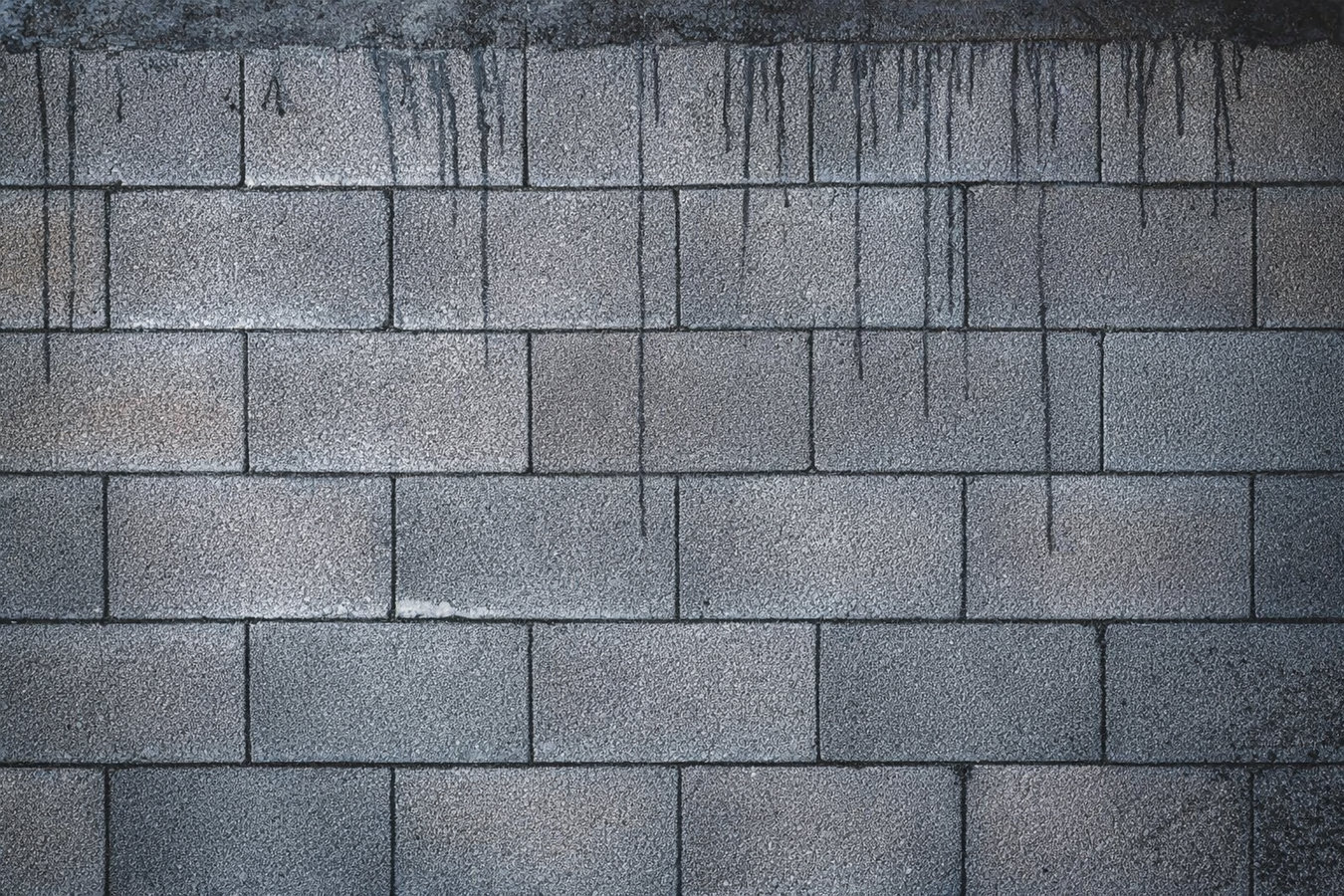
Erosion, leaning walls, unusable slopes, and water pooling near your foundation - concrete block walls fix all of it. We build every wall with a footing deep enough for Post Falls winters and drainage that keeps water moving away from your home.
Concrete block walls in Post Falls are built from individual hollow or solid blocks stacked in overlapping rows and mortared together, most straightforward garden or retaining walls take one to three days once the concrete footing has cured, and a properly built wall with adequate drainage can stand for 50 years or more in northern Idaho conditions.
The part you cannot see after the project is done - the footing and the drainage behind a retaining wall - is what separates a wall that lasts decades from one that starts leaning within a few winters. Post Falls ground freezes deep, and any footing that does not go below the frost line will shift. Many homeowners looking at retaining options also ask about foundation block wall installation when they need structural walls below or around the home, rather than just landscape retaining.
When the goal is a boundary wall or enclosure with a more decorative finish, brick wall installation is an option that uses the same structural principles but with brick in place of concrete block for a different look.
If you notice bare patches after rain, mulch migrating downhill, or a slope that looks steeper than it used to, your yard is actively eroding. Post Falls gets enough spring snowmelt and rain that unretained slopes lose soil every year, and the problem compounds with each season. A concrete block retaining wall stops that movement and creates level, usable space behind it.
A wall that tilts toward you, shows diagonal cracks at the corners, or has blocks pulling apart is telling you its footing or drainage has failed. In Post Falls, the freeze-thaw cycle is the most common culprit - water gets behind the wall, freezes, expands, and pushes the wall forward a little more each winter. A leaning retaining wall is a safety hazard, not just a cosmetic problem.
If there is a section of your property you cannot mow, cannot plant, and cannot walk across comfortably because the grade is too steep, a terraced concrete block system can turn that space into a functional garden bed, patio, or level lawn. This is one of the most common reasons homeowners on sloped Post Falls lots call a masonry contractor.
Standing water collecting against your house after heavy rain or spring snowmelt is a warning sign that your grading is directing water the wrong direction. A concrete block wall combined with proper grading can redirect that water away from your foundation before it becomes a basement moisture problem or contributes to foundation damage.
We build concrete block walls for retaining slopes, creating garden borders and raised beds, establishing privacy and property boundaries, and enclosing outdoor spaces. Every project includes a footing dug to the required depth for Post Falls frost conditions. For retaining walls, we add gravel backfill and drainage pipe behind the wall as we go - not as an afterthought. When a project involves the structural walls of a home or garage rather than landscape features, we handle that work under foundation block wall installation, which involves its own engineering and code requirements.
Homeowners who want a masonry boundary wall with a more traditional or decorative look can explore brick wall installation as an alternative to concrete block - same structural approach, different material and finished appearance.
Best for homeowners with sloped lots, eroding hillsides, or unusable yard space - a terraced block wall system creates level, functional areas and stops soil movement permanently.
Best for homeowners wanting defined raised bed areas, planting borders, or low decorative walls - concrete block holds its shape without rotting, warping, or needing paint.
Best for homeowners who want a permanent boundary that does not require maintenance - concrete block does not rot, lean from post failure, or need repainting the way wood fencing does.
Best for homeowners dealing with water pooling near the foundation or yards that drain toward the house - a properly placed block wall combined with grading redirects water before it becomes a basement problem.
Post Falls has been one of the fastest-growing cities in Idaho, and a lot of that new construction has gone onto sloped and hillside lots on the east and south sides of the city. Those lots come with real erosion and drainage challenges - and concrete block retaining walls are the most permanent solution available. Homeowners in Rathdrum and Spokane Valley face the same sloped-lot issues, and the approach to building a wall that holds in this region is the same: go deep on the footing and handle drainage from the start.
The sandy, gravelly soils of the Rathdrum Prairie drain well - which is good news for managing hydrostatic pressure behind retaining walls - but they also require a properly sized and compacted footing base so the wall does not settle unevenly over time. Post Falls also requires building permits for retaining walls over four feet, and some walls near property lines or on steeper slopes may require engineered drawings. A contractor who has worked across Kootenai County knows what the city and the soil require, which means fewer surprises from the permit stage through project completion.
We reply within one business day. We will ask about your site, the wall purpose, and the approximate size so we can give you a realistic ballpark before scheduling a visit. Most Post Falls projects need an in-person look before we can price them firmly.
We walk the property, assess the slope, soil, and access, then provide a written estimate that breaks out labor, materials, drainage work, and any permit fees. For retaining walls taller than four feet in Post Falls, we will explain the city permit process and handle the application.
We dig below Post Falls frost depth - roughly 24 inches or more - and pour the concrete footing before any block goes up. The footing needs a day or two to cure, and we do not rush it. This underground work is what keeps your wall standing straight through years of freeze-thaw cycles.
We set blocks row by row, checking level and plumb constantly, while installing gravel backfill and drainage pipe behind retaining walls as we go. At completion we walk the project with you, coordinate the city inspection if one is required, and tell you when it is safe to landscape around the finished wall.
We visit your property, give you a written estimate that covers footing and drainage, and handle the permit. One business day response.
(208) 981-9130Post Falls ground can freeze to roughly 24 inches in a cold winter. We always dig below that depth before pouring the footing - the step that most failed walls skipped. You can ask to see the footing depth before we backfill, and a trustworthy contractor will have no problem showing you.
Gravel backfill and a perforated drain pipe go in behind every retaining wall we build. Water that has nowhere to go eventually pushes walls over - proper drainage eliminates that pressure and protects both the wall and your foundation from spring snowmelt.
Post Falls requires permits for retaining walls over four feet, and walls on slopes or near property lines may need engineered drawings. We handle the permit research and application upfront so you know what is required before a single block is ordered. No mid-project stops.
Much of Post Falls sits on the sandy, gravelly soils of the Rathdrum Prairie. Those soils drain well but require a properly sized and compacted footing base - loose sandy soil does not grip a footing the way dense soil does. We have built walls across this area and know what the ground requires here. The Mason Contractors Association of America provides the professional standards our work is built on.
A wall built on the right footing with the right drainage behind it is a problem you solve once and never revisit. That is the standard we hold every project to, from a short garden border to a full hillside retaining system.
For permit requirements on retaining walls in Post Falls, see the City of Post Falls Building Department. For utility line locating before excavation, Idaho law requires contractors to use Idaho 811.
Block wall construction for foundations, basement walls, and structural applications where engineering and code compliance are part of the build.
Learn MoreBoundary, garden, and feature walls built in brick - the same structural approach as concrete block with a warmer, more traditional finished appearance.
Learn MorePost Falls masonry contractors book up fast in spring - reach out now to lock in your project before the summer rush.