Loading...
Serving Post Falls, ID and surrounding areas. (208) 981-9130
Post Falls Concrete & Masonry is the masonry contractor Spokane Valley homeowners call for concrete block walls, brick repair, and retaining wall construction. We serve all of Spokane Valley and respond to new inquiries within one business day.
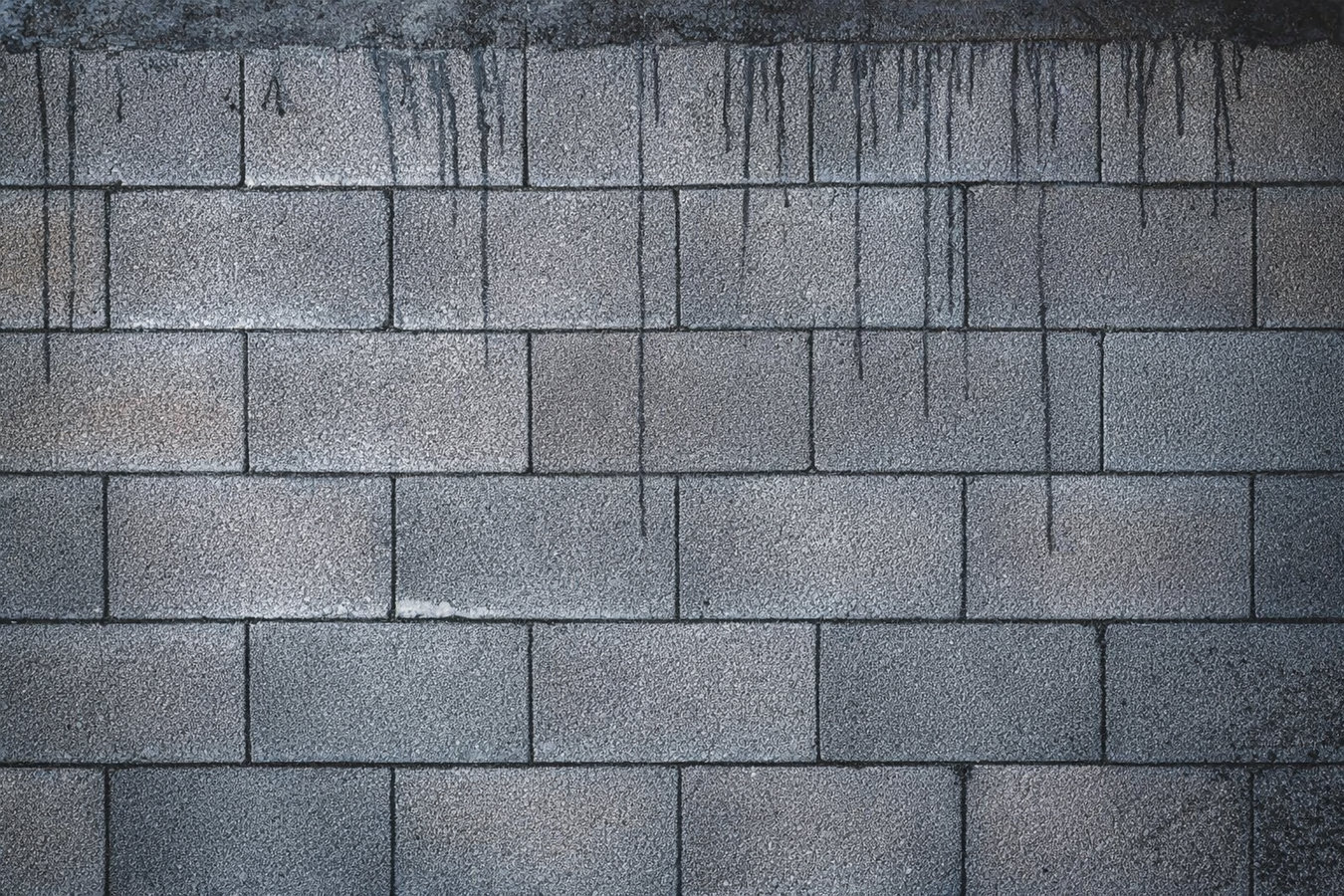
Spokane Valley's flat terrain and mid-sized residential lots make concrete block walls a practical choice for property separation, retaining, and landscape definition. The glacial outwash soils here drain reasonably well, but freeze depth can reach 12 to 18 inches, which means footings need to go down far enough to stay stable. Learn more about our concrete block wall services and how we size footings for eastern Washington conditions.
While most of Spokane Valley is flat, neighborhoods near the Spokane River corridor and some of the newer subdivisions on the south edge of the city sit on lots with grade changes that need retaining walls. We build block, brick, and stone retaining walls sized for the actual soil load and drainage conditions on your property.
Spokane Valley homes from the 1950s through 1980s sometimes have brick veneer on the exterior or on fireplace surrounds that has been through decades of freeze-thaw cycles. Spalling, cracking, and loose units are common on homes of this age. We match replacement brick to existing material and address the moisture source that caused the original damage.
Ranch homes with crawl spaces are common throughout Spokane Valley, and these foundations see real stress from the region's freeze-thaw cycles and occasional drainage problems in low-lying spots near the river. Cracks that look cosmetic in fall can let in enough water over winter to start shifting block or concrete foundation walls by spring.
Older chimneys and brick features on Spokane Valley homes built before 1990 often have mortar that has reached the end of its service life. Soft, crumbling mortar joints let water into the masonry and accelerate freeze-thaw deterioration. We remove failing mortar to the correct depth, pack in a compatible replacement mix, and tool the joints to match the existing profile.
Spokane Valley's standard mid-sized lots with fenced backyards and attached garages create steady demand for front entry walkways, side-yard paths, and patio access routes. Concrete and paver walkways installed without adequate base depth and drainage will heave in the first hard winter. We prep the base correctly for eastern Washington frost depth before we ever set a paver or pour concrete.
Spokane Valley sees around 45 inches of snow per year, and winter temperatures drop well below freezing from November through March. The climate here swings between hard freezes and above-freezing daytime temperatures repeatedly throughout the season - that repeated freeze-thaw cycle is the single biggest driver of masonry deterioration in this area. Water enters cracks in concrete and mortar joints, freezes and expands, then contracts when it warms. Over three or four winters, a hairline crack becomes a structural problem. Most of Spokane Valley's housing stock was built between the 1950s and 1990s, which means a large share of the area's homes are now at the age when that cumulative wear starts showing up as cracked driveways, spalling brick, and heaving walkways.
Spokane Valley also incorporated as its own city in 2003 and operates a separate building department from the City of Spokane. The City of Spokane Valley Building Division handles all structural masonry permits here. A contractor who mistakenly pulls permits through Spokane City or Spokane County creates problems for your inspection record and potentially for your title when you sell. We work in Spokane Valley regularly and know the correct process and which office to contact.
Our crew works throughout Spokane Valley regularly, and we understand the local conditions that affect masonry work here. Spokane Valley is a large, spread-out city - roughly 38 square miles - and the character of the housing changes depending on which part of town you are in. The older ranch neighborhoods closer to the Spokane River and Centennial Trail tend to have homes from the 1950s and 1960s with aging concrete driveways and crawl space foundations that need attention. The neighborhoods near the Spokane Valley Mall on Sullivan Road and out toward Greenacres on the east side have homes from the 1980s and 1990s that are now hitting the age when mortar joints and concrete flatwork need repair.
Spokane Valley's main commercial corridors run along Sprague Avenue, Sullivan Road, and Trent Avenue. Most of the residential neighborhoods sit between these corridors on a flat valley floor, with some grade change closer to the river. The soil in most of the valley is glacial outwash - sand and gravel that drains quickly - but low spots near the river can hold water longer after snowmelt, which affects foundation drainage in those areas. We account for these soil differences when we size footings and drainage for retaining walls and block structures.
We are close to Spokane Valley from our base in Post Falls, ID, and we also regularly serve homeowners in Veradale and the Liberty Lake area just east of Spokane Valley. If you are anywhere in the Spokane Valley metro area, we can have someone on your property quickly.
Reach us by phone or through the contact form and describe what you are seeing - cracked concrete, a leaning wall, spalling brick, or a new wall you want installed. We respond to all new inquiries within one business day.
We come to your Spokane Valley property, assess the full scope of the work, and give you a written estimate with no surprises. The assessment covers not just what is visible but what caused it - because fixing the symptom without the cause means the damage comes back.
For structural masonry work in Spokane Valley, we pull the required permits through the City of Spokane Valley Building Division before any work begins. We schedule around the correct weather window for mortar curing - most masonry in this climate is best done from late April through October.
We complete the work to the written scope, clean up the site at the end of each day, and do a final walkthrough with you when the job is done. If a city inspection is required, we coordinate it and provide you with the inspection record.
We serve all of Spokane Valley and respond within one business day. No obligation, no pressure - just a straight answer on what your project needs.
(208) 981-9130Spokane Valley is one of the largest cities in Washington State, with a population of around 102,000 spread across roughly 38 square miles east of Spokane. It incorporated as its own city in 2003, separating from unincorporated Spokane County and establishing its own city hall, building department, and permitting process. The city stretches along the Spokane River valley and covers a range of neighborhoods - from older postwar ranch homes near the river and the Centennial Trail to newer subdivisions in Greenacres and along the south edge of the city. Most residential lots are mid-sized, owner-occupied, and typical of the Pacific Northwest: attached garages, concrete driveways, and fenced backyards.
The Spokane Valley Mall on Sullivan Road serves as one of the city's main commercial anchors, and CenterPlace Regional Event Center in Mirabeau Point Park is a well-known community gathering space. The Centennial Trail along the Spokane River gives the city a strong recreational identity. Adjacent communities we serve include Liberty Lake to the east and Spokane to the west - and we work across all of these communities as part of the broader Spokane metro area.
Build strong retaining walls that hold soil and look great for decades.
Learn MoreInstall a custom masonry fireplace that becomes the heart of your home.
Learn MoreLay precise foundation block walls that anchor your structure securely.
Learn MoreInstall handsome brick walls that define spaces and stand the test of time.
Learn MoreCall Post Falls Concrete & Masonry today for a free on-site estimate. Spokane Valley winters are hard on concrete and masonry - the sooner you address a problem, the less it costs to fix.