Loading...
Serving Post Falls, ID and surrounding areas. (208) 981-9130
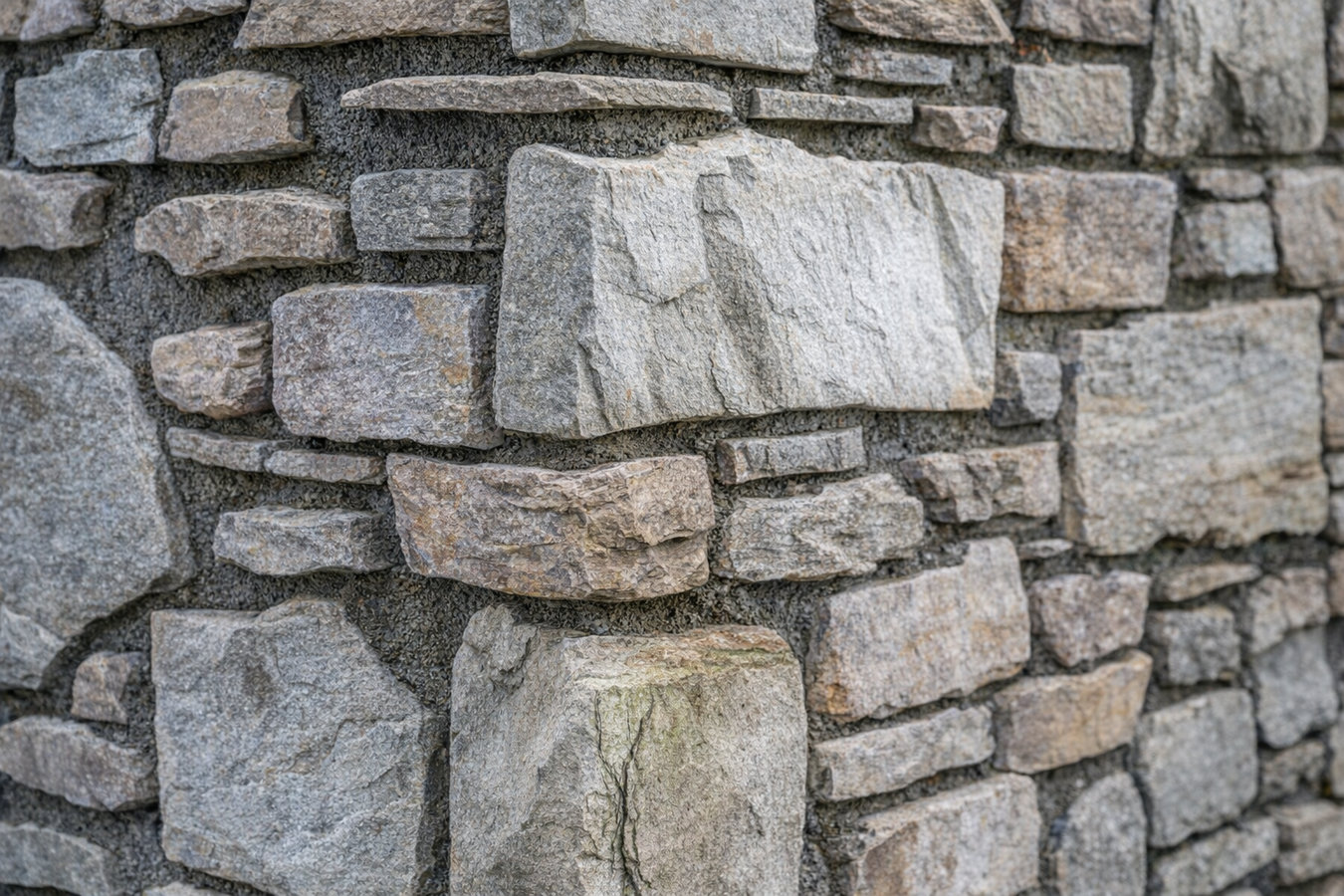
Crumbling mortar, loose stones, or a new patio or retaining wall? We build and repair stone masonry with proper base prep and drainage so it holds up through Post Falls winters for decades.
Stone masonry in Post Falls means building or repairing walls, steps, patios, retaining walls, and outdoor fireplaces using natural or manufactured stone and mortar, with most residential projects taking anywhere from one day to about two weeks depending on scope and how much ground preparation the site requires.
The biggest factor in whether stonework holds up in Post Falls is what happens before any stone is laid. The ground needs to be excavated, a compacted gravel base needs to go in, and the drainage slope has to be correct. Skipping or shortcutting that base work is the most common reason stone projects fail within a few winters. If you also have deteriorating mortar between existing stones, our brick pointing service covers that type of repair and is often the most cost-effective path when the stone itself is still in good shape.
Post Falls winters put real stress on masonry. Freeze-thaw cycles expand water trapped in mortar joints and can crack or shift even well-installed stonework over time if drainage is not designed correctly from the start. A mason who works locally understands this and builds accordingly - not just for how things look on day one, but for how they hold up after the tenth hard winter.
This is the most common sign that your stonework needs attention, and in Post Falls it often shows up after a hard winter. When mortar fails, water gets in, freezes, and makes the damage worse each season. If you can scrape mortar out with your fingernail or see visible gaps between stones, it is time to call a mason.
A wall that is starting to tilt or bow is telling you the pressure behind it has become more than the structure can handle. In Post Falls, this happens when soil absorbs snowmelt or heavy rain and becomes heavier than the wall was designed to hold. A leaning wall can fail suddenly and cause serious damage - do not wait on this one.
Stone steps, patios, or walkways installed without a proper drainage slope will direct water toward your house rather than away from it. Post Falls gets heavy spring snowmelt, and that misdirected water can work its way into your foundation over time. If you notice standing water near your home after a storm, the grade of your stonework may need to be corrected.
Stones that move when you step on them are a tripping hazard and a sign the base has settled or the mortar has released. This is especially common in Post Falls on projects installed without adequate gravel base preparation - a shortcut some contractors take to move faster. A mason can reset and re-secure loose stones before the problem spreads to the surrounding area.
We handle stone masonry from the ground up - steps and walkways, patios, retaining walls, and outdoor fireplaces. Every project starts with an on-site assessment of the site conditions and drainage before any stone is selected or mortar is mixed. For retaining walls, that assessment includes looking at the soil type, the grade behind the wall, and how water moves through the area during Post Falls spring snowmelt. If you have been thinking about adding a brick pointing job at the same time, we can assess both during the same visit and quote them together.
For homeowners looking at the full picture of their outdoor hardscape, we also offer stone veneer installation for surfaces where full stone thickness is not needed but the look and durability of stone still matters. A site visit is the fastest way to understand which approach fits your project and budget.
Best for homeowners who want a permanent, safe entry path that handles heavy foot traffic and northern Idaho freeze-thaw conditions without cracking or shifting.
Suited for outdoor living spaces where durability and low maintenance matter more than the recurring cost of replacing wood decking or composite surfaces.
The right choice for yards with grade changes or slopes that erode during Post Falls spring snowmelt - built with drainage designed in from the start.
A good fit for homeowners who want a stone outdoor fireplace or fire pit built to handle repeated heat cycles without cracking mortar joints over the seasons.
Post Falls sits in a climate zone where ground temperatures regularly dip below freezing from December through February and then thaw repeatedly through spring. That freeze-thaw cycle is the biggest threat to stone and mortar in this area. Water trapped in a mortar joint freezes, expands, and chips the joint apart from the inside - slowly at first, then faster as the gaps grow. Parts of Post Falls, particularly areas near the Spokane River corridor, also have sandy or gravelly soils that drain quickly but need proper compaction before they can support a stone structure without settling. A mason who knows local soil conditions designs the base accordingly, rather than using a one-size approach that works in a dry-climate state but fails here within a few winters.
Post Falls has grown quickly, and many newer subdivisions on the edges of the city have homes with unfinished yards and no exterior hardscape. We work on stone projects across the area, including Rathdrum, ID and Hayden, ID, where soil conditions and frost depth are similar to Post Falls and require the same attention to base prep and drainage. If you are planning a project and want it done before the busy season fills contractor schedules, late winter is the right time to reach out - not June.
We reply within one business day. Share a few details about what you are hoping to build - if you have photos of the area, those help us ask better questions before the on-site visit. You do not need to know exact dimensions or materials yet.
We visit your property to look at the site in person - checking ground conditions, drainage, and access before measuring the area. You receive a written estimate that spells out labor, materials, and scope. A written estimate protects you and means no surprises on invoice day.
Once you agree to move forward, you get a start date. The crew prepares the ground before any stone goes down - this usually means excavating the area, compacting a gravel base, and setting the correct drainage slope. This step is what determines whether your stonework lasts 5 years or 50.
Masons lay the stone to the agreed design, mixing and applying mortar as they go. When the work is done, the crew cleans up and walks you through the finished project. Mortar needs 24 to 48 hours before light use and about 28 days to reach full strength.
Free on-site estimates. Written quotes before any work is agreed to. No pressure, no obligation.
(208) 981-9130In Post Falls, the base beneath your stonework determines whether it lasts or fails within a few winters. Since 2020, we have excavated, compacted gravel, and set drainage slopes correctly before laying a single stone - the invisible work that most homeowners only notice when a cheaper contractor skips it.
The freeze-thaw cycle in northern Idaho puts more stress on mortar than most climates. We select mortar mixes that remain flexible enough to handle that seasonal movement rather than cracking under it. The right mortar for your specific stone type and project location is part of every estimate conversation.
Water moving away from your stonework - not pooling against it - is what keeps retaining walls upright and patios flat through Post Falls springs. We design the drainage slope and any weep points into every project before work begins, because adding drainage after the fact is expensive and disruptive.
Idaho requires contractors to be registered with the state - a status you can confirm in about two minutes through the Idaho Division of Building Safety at dbs.idaho.gov. We carry liability and workers' compensation coverage on every project. Ask any contractor you consider for the same documentation in writing before work begins.
Stone masonry is one of the most permanent things you can add to your property - which means getting it right matters more than getting it done fast. We work with the Mason Contractors Association of America standards as a benchmark and build every project to hold up to the specific demands of our local climate - not a generic spec written for somewhere warmer.
When your stone or brick mortar joints are crumbling or cracked, repointing restores the seal without disturbing the stones themselves.
Learn MoreAdds the look and feel of natural stone to exterior walls, chimneys, and foundations without the full weight and cost of solid stone construction.
Learn MoreContractor schedules fill fast once warm weather arrives - reach out now to get your project on the calendar before the spring rush.