Loading...
Serving Post Falls, ID and surrounding areas. (208) 981-9130
Cracked mortar lines, a bowing wall, or water in your basement after every wet spell - these are signs your foundation needs real attention. We build block wall foundations with frost-depth footings, steel reinforcement, and waterproofing that handles Post Falls winters for decades.
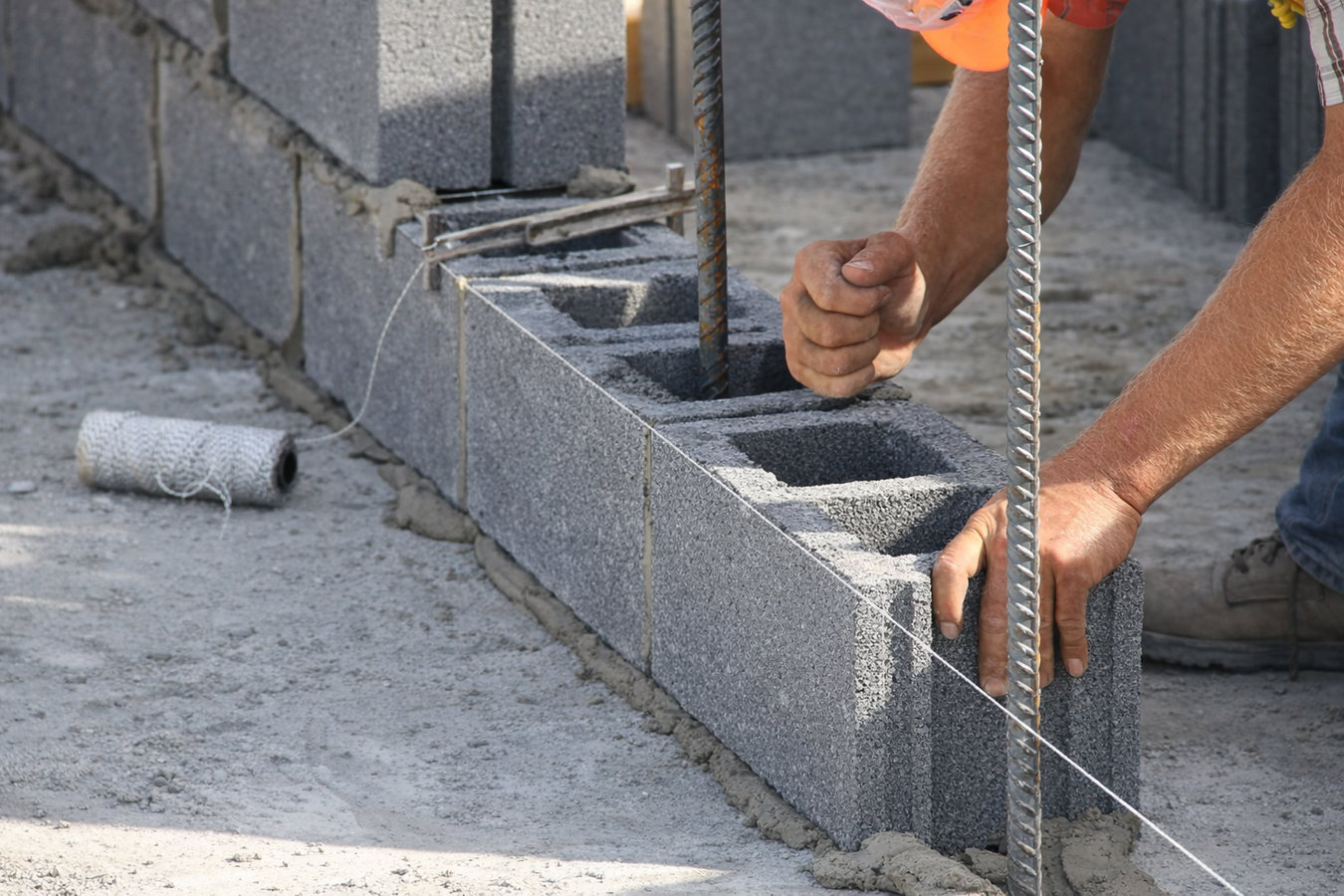
Foundation block wall installation in Post Falls means building the structural concrete masonry walls that hold your home up from below, using hollow blocks stacked in overlapping rows with mortar between them and steel reinforcement grouted into the cores - most standard residential foundations take one to two weeks of active construction once the footing has cured and permits are approved.
This is not the same work as a landscape retaining wall. A foundation wall carries the weight of your home and must resist both the downward load above and the sideways pressure of soil pushing against it from outside. Post Falls winters add another variable - freeze-thaw cycles that repeat all season put ongoing pressure on any wall that was not built with proper drainage and reinforcement. If you are dealing with a landscape or yard retaining wall rather than the structural base of a building, that work falls under our outdoor kitchen masonry and related hardscape services.
Homeowners who already have a foundation in place but are dealing with cracks, settling, or moisture issues will want to look at our foundation repair work instead - repairs address existing problems without a full tear-out and rebuild.
Horizontal or stair-step cracks following the joints between blocks in your foundation wall are a sign the wall is under more stress than it was designed to handle. In Post Falls, this pattern often develops after several winters of freeze-thaw cycles working on a wall that was not reinforced or drained properly. Hairline cracks can be monitored, but cracks wide enough to slip a coin into deserve a professional assessment right away.
Stand in your basement or crawl space and look at the foundation walls from the side. If any wall curves inward, even slightly, the soil pressure from outside is winning against the wall. This is more common near lower-lying areas close to the Spokane River where soils tend to be heavier, and it is a problem that gets worse, not better, on its own.
Wet spots, puddles, or white chalky deposits on foundation walls after a wet spell mean water is moving through the block. Northern Idaho's wet springs and heavy snowmelt seasons make this a common complaint, and it usually points to waterproofing that has failed or was never properly applied at the time of construction.
When a foundation wall shifts or settles unevenly, the frame of the house above it can rack slightly out of alignment. If doors that used to swing freely now drag on the floor, or gaps are appearing at the corners of window frames, it is worth having a foundation professional look at the walls below before the problem gets worse.
We handle new foundation block wall construction for primary homes, detached garages, additions, and accessory structures in Post Falls and across Kootenai County. Every project includes a site assessment of soil conditions before we finalize the design, a footing poured to the correct depth for Post Falls frost conditions, steel reinforcement in the block cores where required, and waterproofing applied to the exterior face before backfill. We also coordinate all Kootenai County permit requirements and inspection scheduling so you do not have to navigate that process yourself. For homeowners whose primary concern is an existing foundation that has already started to crack or settle, our foundation repair service addresses those issues without a full replacement.
Homeowners planning new construction who are also adding outdoor hardscape features - a masonry patio, grill surround, or outdoor living structure - can combine that work with foundation installation. Our outdoor kitchen masonry work uses the same masonry skills and crew, and scheduling both together saves on mobilization costs and avoids digging up finished work later.
Best for homeowners building a new primary residence or major addition where a full perimeter block wall foundation is required from scratch.
Best for detached garages, workshops, and accessory dwelling units that need a proper concrete masonry foundation rather than a slab on grade.
Best for homeowners replacing a section of an existing foundation wall that has failed beyond repair, where full tear-out and rebuild is needed for part of the perimeter.
Best for room additions, sunrooms, or home expansions that require new block wall foundation work to match or tie into the existing structure.
Post Falls sits on the Rathdrum Prairie, and the soil conditions here vary more than you might expect from one neighborhood to the next. Some lots have well-draining sandy or gravelly soils left behind by glacial activity - those drain well but require a carefully sized and compacted footing base because loose sandy soil does not grip the way denser soil does. Other parts of the city, especially in lower-lying areas closer to the Spokane River, have heavier soils that hold water and shift more under load. The Rathdrum Prairie Aquifer also means groundwater can be relatively close to the surface in some locations, which affects both footing depth and drainage design. A contractor who does not assess your specific lot before finalizing the design is making assumptions that can show up as cracks or settling years later. Homeowners in Rathdrum deal with similar soil conditions and frequently reach out to us for this exact reason.
Kootenai County requires permits for new foundation work, and that process includes both a plan review before work starts and on-site inspections at key stages. Post Falls has been one of the fastest-growing cities in Idaho over the past decade, and that growth has kept construction demand high - which means popular contractors book out several weeks in advance, especially during the spring and summer building season. Homeowners in Coeur d'Alene face the same permit requirements through Kootenai County and similar scheduling timelines. For an overview of what makes northern Idaho building conditions different from other regions, the National Concrete Masonry Association publishes technical guidance on block wall construction in cold-climate and freeze-thaw conditions.
We reply within one business day. We will ask about your property, the scope of the project, and any site conditions we should know about before scheduling a visit. Most Post Falls foundation projects need an in-person look before we can give you a firm number.
We walk the property, check soil conditions, slope, and equipment access, then submit the Kootenai County permit application on your behalf. Your written estimate breaks out labor, materials, waterproofing, drainage, and permit fees separately so you know exactly what you are agreeing to.
We dig to the required depth, pour the concrete footing, and let it cure before stacking the first course of blocks. Rows go up with mortar between every block and steel reinforcement placed inside the cores as required by the project design. This phase typically takes two to five days depending on the size of the wall.
Before any soil goes back against the wall, we apply a waterproof coating and install drainage material at the base to carry water away from the footing. A Kootenai County inspector signs off on the finished work. We walk you through the project and tell you what to expect during the curing period.
We reply within one business day. No sales pressure - just a straight conversation about what your project needs and what it will realistically cost.
(208) 981-9130Post Falls ground can freeze to 24 inches or more in a hard winter. We always dig below that depth before pouring the footing, and we will show you the depth before we backfill. Shallow footings are the single most common reason block wall foundations fail in northern Idaho - we do not cut that corner.
Concrete block is porous, and a Post Falls winter will find any gap a contractor left unsealed. We apply a waterproof coating to the outside face and install drainage material at the base before the soil goes back in. You can watch this step happen - ask us to, and we will.
Foundation work in Post Falls requires a building permit through Kootenai County, and a county inspector will review the project at key stages. We handle the application and schedule the inspections on your behalf. That independent review is a layer of protection for you, and it means your project is on record when you sell.
Some Post Falls lots sit on the well-draining sandy soils of the Rathdrum Prairie, while others have heavier soils that hold water and shift under load. We assess your specific lot before finalizing the design - not every foundation needs the same footing or drainage plan, and a contractor who treats them all the same is making assumptions that show up as problems years later.
Foundation work that holds up in Post Falls comes down to two things: what goes in the ground before the first block is stacked, and what goes on the outside of the wall before the soil comes back in. We do not skip either step, and we will walk you through both before we start and show you the work as we go. The Idaho Division of Building Safety maintains a public contractor license lookup so you can verify any masonry contractor you are considering is properly registered before you sign anything.
Custom masonry outdoor kitchens and grill surrounds built with the same frost-depth foundations that protect your home.
Learn MoreTargeted repairs for existing block wall foundations that are cracking, settling, or letting water in without requiring a full rebuild.
Learn MoreKootenai County permits take time to process and contractor schedules fill fast once building season opens - reach out now to lock in your project timeline.